

close
Choose Your Site
Global
Social Media
Views: 0 Author: Site Editor Publish Time: 2026-10-31 Origin: Site


Unexpected equipment failures cause massive facility downtime. A compromised articulating connection halts fluid transfer instantly. This creates severe safety risks and triggers costly operational delays. Imagine an operator starting a cold morning shift. They find the transfer arm locked rigid. Forcing it could fracture the adjoining pipework. The result? A hazardous spill. In this guide, we explore proven strategies to safeguard your infrastructure. We cover everything from fundamental installation mechanics and daily care protocols to the critical decision-making process of sourcing replacement components.
Proper Installation is the First Line of Defense: Correct alignment and precise torque application during setup prevent premature wear and fluid leaks.
Routine Lubrication Extends Lifespan: Purging old debris and utilizing the correct manufacturer-approved grease significantly improves mechanical efficiency.
Proactive Seal Replacement: Regularly inspecting and swapping degraded seals prevents catastrophic fluid blowouts and costly environmental hazards.
Quality Spare Parts Matter: Sourcing high-grade components ensures long-term system reliability and operational safety.
Environmental Protection: Shielding external housings from extreme weather and flushing internal chambers of corrosive fluids maximizes operational uptime.
The core of any fluid transfer system relies heavily on its articulating components. To maintain high operational standards, facility managers must first grasp the mechanical principles driving these critical connections.
The mechanical architecture of a swivel joint is purposefully engineered to permit up to 360-degree rotation. It sustains an absolutely leak-proof fluid pathway under immense pressure. This delicate balance is achieved through a precise combination of hardened ball bearings, machined raceways, and advanced elastomer sealing systems. Modern designs typically accommodate nominal diameters ranging from DN50 to DN500 and can withstand design pressures up to 4.0 MPa.
Specifically, the ball bearings sit within these hardened tracks. This drastically reduces rotational friction and allows the outer and inner bodies to articulate smoothly against one another. Concurrently, the primary dynamic seal contains the pressurized fluid. A secondary environmental seal acts as a barrier, preventing external contaminants like abrasive sand and moisture from invading the bearing chamber.
Component | Primary Function | Material Examples |
|---|---|---|
Inner/Outer Body | Provides structural housing and fluid pathway. | Carbon Steel, 304/316L Stainless Steel, Aluminum |
Ball Bearings | Facilitates smooth rotation and load distribution. | Hardened Chrome Steel, Stainless Steel |
Primary Seal | Prevents internal fluid from escaping the joint. | PTFE, FKM, NBR |
Dust/Weather Seal | Prevents external debris from entering raceways. | Nitrile Rubber, Polyurethane |
During active fluid transfer, pipes and hoses endure immense mechanical stress, thermal expansion, and hydraulic shock. Acting as the primary shock absorber, the articulating joint absorbs this piping stress. This enables the arm to maneuver effortlessly to connect with tankers or marine vessels. If this component degrades, the entire assembly loses its flexibility. Consequently, rigid connections emerge. These are highly susceptible to fracturing under pressure. Therefore, a strictly maintained pivot point directly dictates the overall efficiency, safety, and longevity of the entire fluid transfer operation.
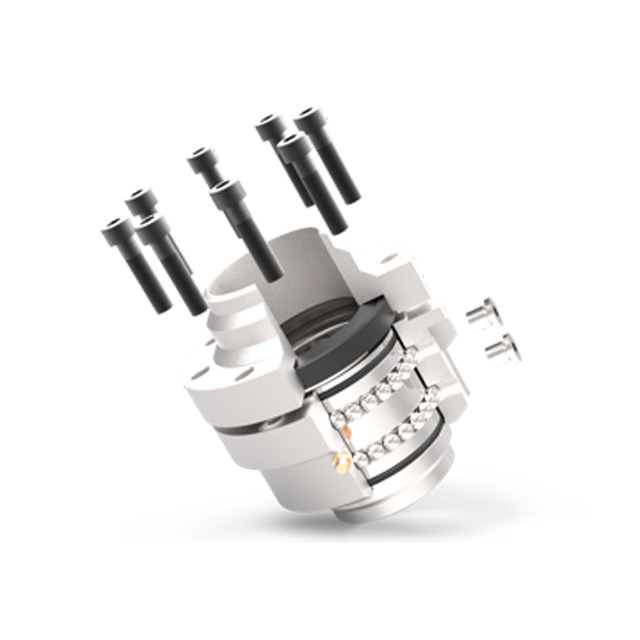
Building on this foundation, it becomes clear that maintenance begins long before the equipment is ever pressurized. Proper installation serves as the ultimate safeguard. It protects the equipment from premature failure right out of the gate.
Misalignment during the initial setup is a notorious culprit for uneven wear on bearings. When a unit is installed slightly off-axis, it generates a moment load. This unequal weight distribution forces the steel bearings to grind aggressively against one side of the raceway. Over months of operation, this localized friction causes irreversible metal fatigue and structural warping.
During installation, technicians must utilize proper lifting rigging to support the heavy dead weight of the arm. The articulation point should never be subjected to load-bearing stress until all flange connections are fully secured. Counterweight or spring cylinder systems must be perfectly calibrated before removing the support rigging.
Connecting the housing to the rigid piping system requires precise flange bolting. Facility engineers must strictly adhere to the specific torque guidelines provided by the manufacturer. Applying excessive force to flange bolts can literally crush the internal seals. This causes immediate deformation that guarantees a leak during the first pressure test. In contrast, under-torquing leads to micro-vibrations that slowly back the bolts out over time.
Always employ a recently calibrated torque wrench. Tighten the bolts in a standard crisscross pattern. This methodical approach ensures even pressure distribution across the flange face. It preserves both the metal housing and the internal sealing mechanism.
Implementing a structured maintenance routine is the single most effective strategy to prevent unexpected downtime. This regimen should be split into daily operational checks and comprehensive scheduled inspections.
Operators should perform a tactile and visual inspection before every single transfer cycle. Key warning signs include weeping fluid, abnormal noises, and mechanical stiffness. Minor droplets forming around the weep hole indicate early elastomer degradation. A dull grinding or popping sound during articulation strongly suggests bearing wear or severe lubrication starvation. If a technician requires excessive physical leverage to swing the arm into position, the raceways are likely contaminated.
Maintaining a pristine exterior prevents abrasive contaminants from migrating into the delicate internal raceways. Maintenance crews should carefully wipe away dirt, chemical residue, and crusted grease. Use approved industrial solvents and lint-free cloths.
Furthermore, never direct high-pressure water washers directly at the dynamic sealing gaps. High-velocity jets can easily bypass the environmental seals. This injects water deep into the bearing chamber, which rapidly accelerates internal rusting and guarantees catastrophic bearing failure.
Optimizing the performance of your infrastructure requires proactive strategies that look beyond basic upkeep. Efficiency enhancements focus primarily on reducing rotational friction and adapting the hardware to specific operational demands.
Recent industry analyses evaluating fluid transfer mechanisms reveal a definitive shift toward predictive maintenance and emission-compliant materials. Driven by increasingly stringent environmental regulations and the crippling cost of unplanned downtime, the petrochemical and marine sectors are aggressively moving away from reactive repairs. Modern facilities are adopting advanced low-emission elastomer seals. They are also integrating smart monitoring sensors to track rotational friction and temperature in real-time. This proactive trend underscores a broader consensus. Optimizing existing infrastructure through upgraded high-performance components is far more cost-effective than managing the fallout of catastrophic system failures.
Lubrication acts as the lifeblood of any articulating mechanical part. However, merely pumping fresh grease over old grease is a critical error.
When servicing the unit, operators must fully purge the degraded lubricant. Old grease often harbors microscopic metal shavings and broken-down soap bases that actively hinder rotation. Pump the new grease into the zerk fitting slowly. Watch the relief valve until purely clean grease emerges. Avoid aggressive pumping, as sudden pressure spikes can blow the environmental seal completely out of its groove. Additionally, ensure the lubricant matches the environment. Use synthetic high-temp greases for hot asphalt lines and low-viscosity lithium greases for freezing winter operations.
Industrial fluid transfer rarely happens in a vacuum. Equipment is constantly battered by extreme weather, salt spray, and highly reactive chemicals. Shielding the hardware from these external and internal stressors is vital for maximizing its lifecycle.
Facilities situated in coastal regions face a relentless battle against galvanic corrosion and saltwater degradation. For operations utilizing a marine loading arm, the articulating pivots are exceptionally vulnerable to atmospheric moisture. This rapid moisture exposure rusts external housings and pits internal steel tracks.
To combat this, engineers must apply robust marine-grade anti-corrosion coatings, such as zinc-rich epoxy primers. In addition, strapping heavy-duty protective bellows over the joints shields the dynamic sealing surfaces from airborne sand and salt. These physical barriers prevent grit from mixing with the bearing grease. This stops the formation of a highly abrasive paste that would otherwise destroy the raceways.
The internal environment is dictated entirely by the medium being transferred. Pumping aggressive chemicals like sulfuric acid or caustic soda requires uncompromising material compatibility. Standard carbon steel will fail rapidly. Upgrading to 316L stainless steel with PTFE seals is mandatory for these applications. Even trace amounts of these fluids left inside the chamber after a transfer can initiate severe internal pitting.
To neutralize this threat, standard operating procedures must include a rigorous flushing protocol. Purging the system with nitrogen gas or a neutral solvent immediately after chemical transfers prevents corrosive pooling.
Even with the most rigorous maintenance schedules, dynamic mechanical components will eventually exhibit signs of wear. Identifying and resolving these anomalies early prevents minor issues from snowballing into critical safety incidents.
One of the most frequent complaints on the tarmac is an arm that becomes stiff or entirely seizes. Forcing a locked joint transfers immense bending moments to the adjoining pipework.
This stiffness usually stems from hardened grease, rust accumulation, or indented raceways caused by heavy impact. The immediate troubleshooting step is to safely purge the system with fresh lubricant to dislodge any hardened debris. If the joint remains stubbornly locked after greasing, it must be depressurized, secured via Lockout Tagout procedures, and disassembled for a thorough internal inspection.
A fluid leak demands an immediate operational halt. When troubleshooting, first clean the surrounding area to pinpoint the exact origin of the drip.
If the fluid is weeping from the static flange connections, carefully re-torquing the bolts often resolves the relaxation. Conversely, if the fluid is escaping from the dedicated leak detection port or the rotation gap, the primary dynamic seal has officially failed. In this scenario, the system must be drained, and the internal elastomer seals must be replaced without delay.
As equipment ages, maintenance teams eventually face a critical crossroad. Should the unit be repaired with fresh seals and bearings, or is it time to replace the entire assembly? Making the correct choice requires balancing immediate repair budgets against the long-term risks of operational failure.
While routine seal replacements are standard practice, specific terminal indicators dictate a mandatory unit replacement. Facility engineers should look for the following criteria.
Severe Raceway Spalling: If the internal metal tracks show deep grooves or flaking metal exceeding standard tolerance limits, inserting new bearings will not restore smooth rotation.
Unfixable Leaks: If a unit continues to leak immediately following a comprehensive seal replacement, the internal metal housing is likely warped out of tolerance.
Structural Cracks: Any visible hairline fractures on the external pressure-retaining body mandate an immediate swap to prevent a blowout.
When sourcing loading arm spare parts, quality and compatibility remain non-negotiable. Utilizing substandard aftermarket components introduces unacceptable risks into high-pressure environments.
Facility managers must prioritize Original Equipment Manufacturer parts or highly certified alternatives backed by strict ISO standards. Pay close attention to elastomer compatibility. A seal designed for standard petroleum will dissolve rapidly if exposed to aggressive solvents. Investing in premium replacement joints and bearing kits drastically reduces long-term downtime and ensures maximum safety for frontline operators.
Proactive maintenance is the undisputed cornerstone of industrial fluid transfer longevity. By adhering to precise installation guidelines, executing disciplined lubrication schedules, and addressing minor stiffness before it escalates, facilities can drastically extend the life of their equipment. Remember that quality replacement components are not just an operational expense. They are a direct investment in site safety and environmental compliance. Take the time to audit your current infrastructure today. Ensure your maintenance teams are equipped with the right knowledge, and select a reliable fluid transfer swivel joint from Loading Arm Tech to keep your operations flowing smoothly and safely.
The frequency depends heavily on the operational environment, usage cycle, and the specific fluid being transferred. As a baseline, standard industrial applications require fresh grease every three to six months. However, in high-cycle environments or corrosive coastal settings where salt spray is prevalent, lubrication may be necessary on a monthly basis. Always consult the manufacturer manual and ensure old grease is properly purged to expel trapped moisture.
Yes, this is frequently possible depending on the engineering design of your specific equipment. Many modern units feature split-flange designs or easily accessible bearing modules that permit in-situ seal replacement. This greatly reduces maintenance downtime by eliminating the need for heavy cranes to dismantle the entire arm. Proper support rigging, however, must always be utilized to relieve mechanical stress before separating the flanges.
Premature leaks are rarely the result of manufacturing defects. They typically stem from operational or installation errors. The most common culprit is severe mechanical misalignment during installation, which crushes the internal seals on one side. Other primary causes include pumping incompatible chemicals that eat away at the elastomers, thermal shock from rapid temperature fluctuations, or a severe lack of lubrication that allows abrasive grit to score the sealing surfaces.
Absolutely not. Spare parts are highly specialized and must be precisely matched to the original dimensional tolerances. Furthermore, the materials must be specifically selected based on the exact fluid being transferred and the maximum operating pressure of the pipeline. Utilizing generic or mismatched parts can lead to immediate seal blowout and severe safety hazards.
Under optimal conditions with strict adherence to scheduled maintenance, a high-quality unit can operate effectively for 10 to 15 years. However, this lifespan drops significantly in highly corrosive environments, high-temperature applications, or if the unit is subjected to frequent moment loads due to poor alignment. Regular replacement of internal seals and bearings every 3 to 5 years is typical to maximize the housing lifespan.
After reassembly, the unit must undergo a hydrostatic pressure test before returning to active service. Engineers typically blind-flange the ends and pressurize the internal chamber with water or nitrogen to 1.5 times the maximum allowable working pressure. The pressure is held for a specified duration while technicians inspect the rotational gaps and weep holes for any pressure drop or visible moisture. Only after passing this rigorous test can the equipment be safely re-integrated into the fluid transfer line.


